Why The Next Inflation Shock Might Be Growing In The Fields
For months, markets have focused on oil, LNG and geopolitical tension in the Middle East. Energy headlines have dominated investor attention. But a quieter, more persistent inflationary risk is emerging, one rooted in fertiliser production and agriculture rather than energy.
Unlike energy shocks, food inflation builds slowly. It moves through supply chains with a lag, often taking months to reach consumers. That’s what makes this developing trend easy to overlook and potentially more damaging.
The Fertiliser Link Markets Might Be Missing
The Middle East is not just critical for oil and gas, it is also a major supplier of fertiliser inputs such as ammonia, urea, and sulphur. These are essential for modern crop production.
Disruptions in the region have already driven fertiliser costs higher, forcing producers in countries like India, Pakistan, Bangladesh and Egypt to either cut output or absorb rising LNG costs. Supply from Russia and China has helped, but not enough to fully close the gap.
Why Timing Matters
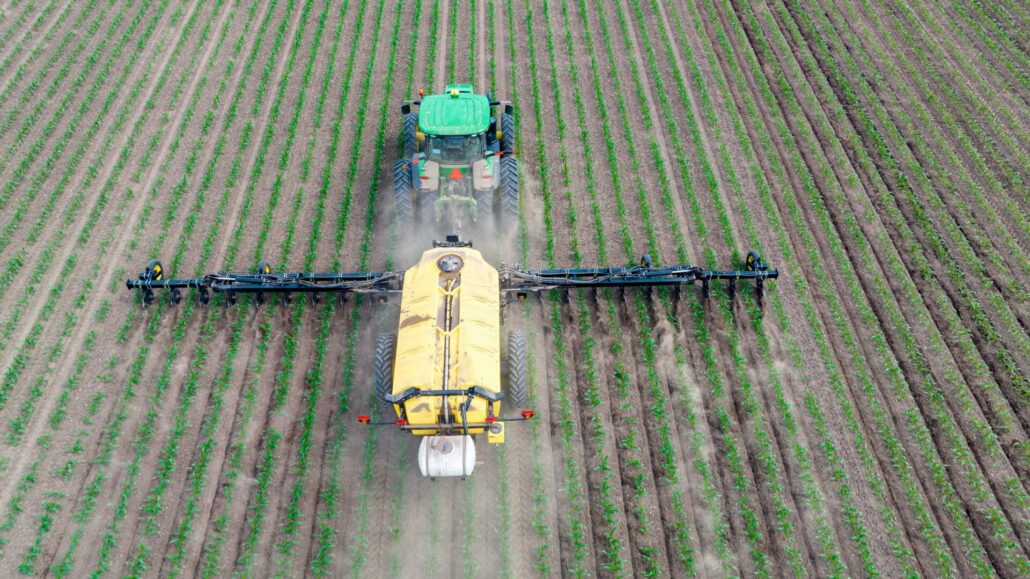
Farmers are currently making decisions that will shape future harvests. When fertiliser is too expensive or scarce, they tend to reduce use, switch crops or plant less altogether.
The consequences aren’t immediate but they will likely show up later, in the form of lower yields, tighter supply, higher feed cost and eventually rising food prices for the end consumer. This suggests the real inflation impact could build into late 2026 and beyond.
Food Inflation Is Starting To Build
In the UK, the outlook is already shifting. The Bank of England has signaled that higher inflation may be unavoidable, with food price pressures increasing.
Industry estimates are more concerning though. Some forecasts suggest food inflation could approach high single digits by the end of 2026, particularly affecting fertiliser-intensive categories like bread, dairy and meat.
Markets often treat inflation as a single theme, but food and energy behave very differently. Energy prices can spike and fall relatively quickly as supply responds. Agriculture does not have that flexibility, missed planting windows can not be recovered.
Food inflation also hits harder socially and politically, as essentials account for a larger share of spending for lower-income households. Even when energy prices ease, food costs may continue climbing.
Markets May Be Underpricing The Risk
There is a growing assumption that easing energy prices will bring inflation under control, but if food inflation rises as energy fades, central banks could face a more complex challenge.
The Bank of England may have less room to cut rates than markets expect, particularly if inflation proves stickier than expected. This creates ongoing risks for bonds, consumers and rate-sensitive sectors like real estate and home-building.
What This Might Mean For Investors
If food inflation is the next wave, positioning will become extremely important for investors.
Assets that cope better with persistent inflation, such as shorter-duration bonds and real assets like gold may remain attractive. Within equities, companies with pricing power and defensive demand are likely to outperform, while consumer-facing sectors may come under severe pressure.
We believe the key takeaway from this piece is that supply shocks in agriculture likely won’t reverse quickly. Even if energy markets stabilise the inflation effects already moving through the food system may take much longer to fade.